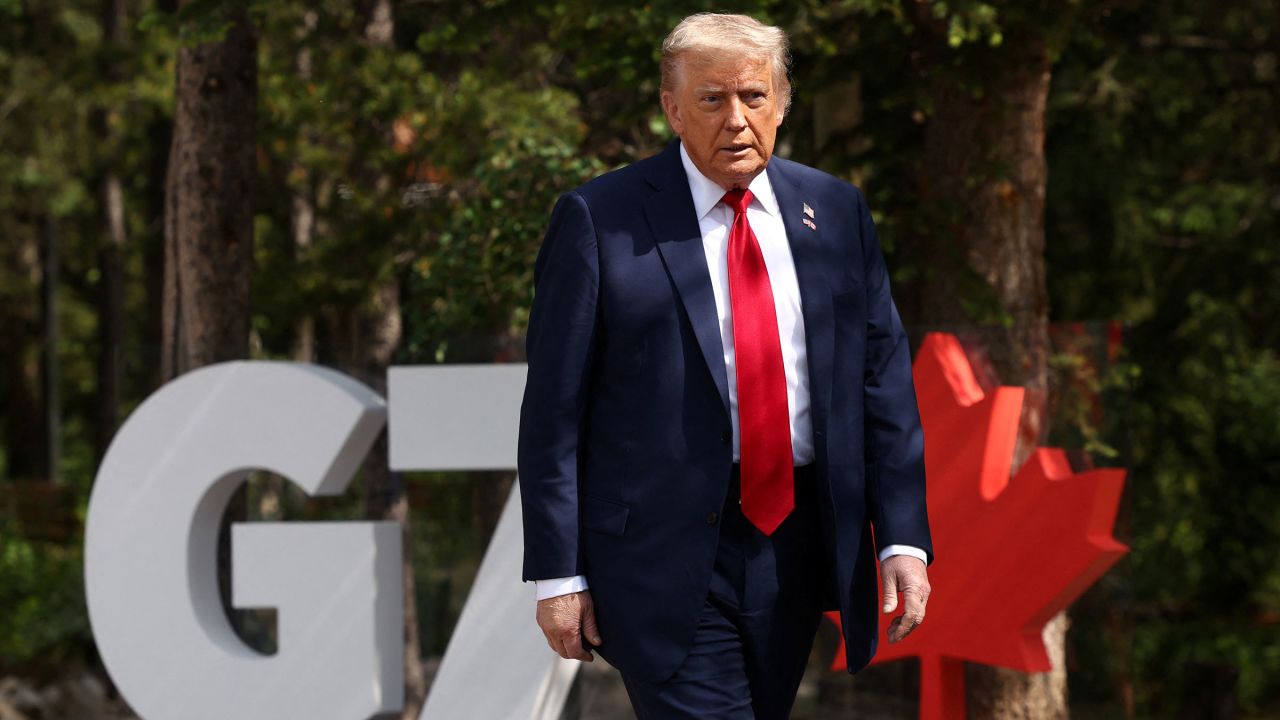
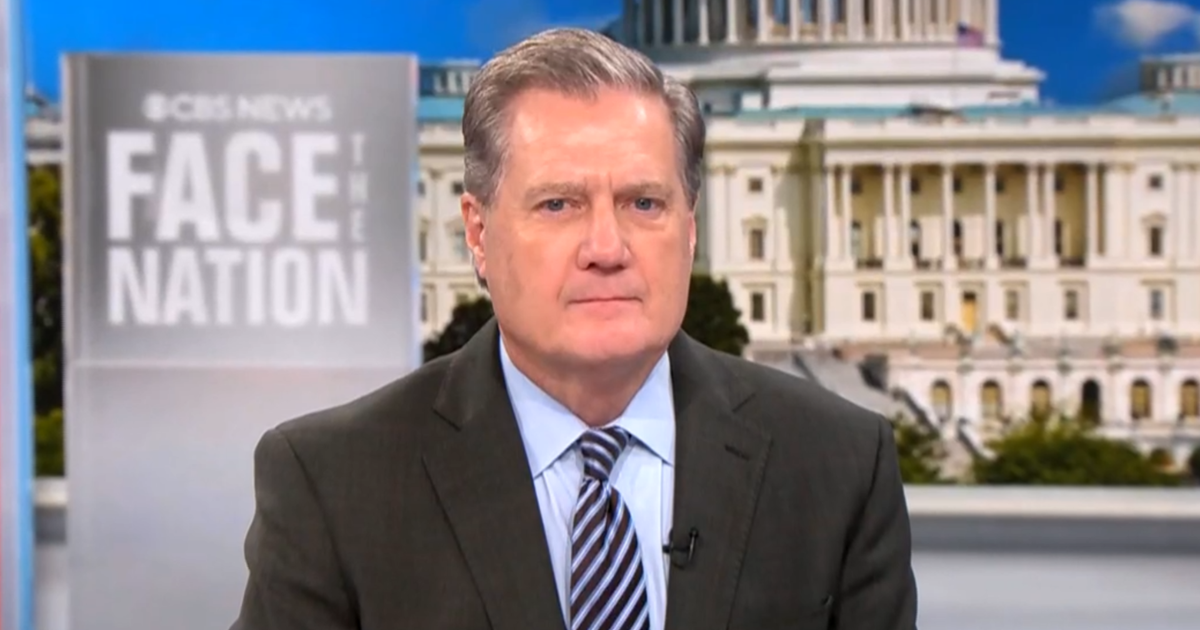
Legal Battle Over Birthright Citizenship Continues
#immigration #citizenship #legal_battle
Federal judge blocks President Trump's birthright citizenship order, sparking debate over immigration policy in the United States.
## Overview The "President's Administration" typically refers to the Executive Branch of the United States government, led by the President, which is responsible for enforcing federal laws, managing government operations, and implementing national policies[3][10]. This structure is rooted in Article II of the U.S. Constitution and has evolved significantly since the nation's founding, adapting to the growing complexity of governance and the expanding role of the federal government in American life[3][7]. ## Structure and Functions At the core of the President's Administration is the President, who serves as both head of state and head of government, and is supported by the Executive Office of the President (EOP), a constellation of offices and agencies that provide policy advice, manage communications, and oversee the federal budget[3][8]. The Cabinet—comprising the Vice President and the heads of 15 executive departments—acts as the President's principal advisory body, meeting regularly to discuss major policy issues[4][5]. The President appoints Cabinet members and other key officials, subject to Senate confirmation, and these officials lead agencies such as the Departments of State, Defense, Treasury, and Homeland Security[4][5]. The President's Administration also includes numerous independent agencies and commissions, such as the CIA, EPA, and Federal Reserve, whose leaders are appointed by the President and play critical roles in specialized areas of national importance[3]. The EOP itself has grown over time, now encompassing policy councils, economic advisors, and management offices, reflecting the increasing demands of modern governance[8]. ## Key Achievements and Historical Context Historically, the President's Administration has been responsible for landmark achievements, including the New Deal under Franklin D. Roosevelt, the Civil Rights Act under Lyndon B. Johnson, and the Affordable Care Act under Barack Obama. Each administration leaves its mark through legislation, executive orders, and international agreements[3]. The President's ability to issue executive orders, negotiate treaties, and grant pardons adds t
#immigration #citizenship #legal_battle
Federal judge blocks President Trump's birthright citizenship order, sparking debate over immigration policy in the United States.